
Why Attendance Matters in Primary Schools

Regular school attendance is one of the most important factors in a child's learning and development, however inconsistent attendance is a major concern for many schools across the UK.
According to the School Insights Report 2025 by education recruitment specialists Spencer Clarke Group, 42% of headteachers reported that student attendance has declined in recent years. Missing school isn't just missing lessons, it can affect a child's academic progress, social confidence and long term opportunities.
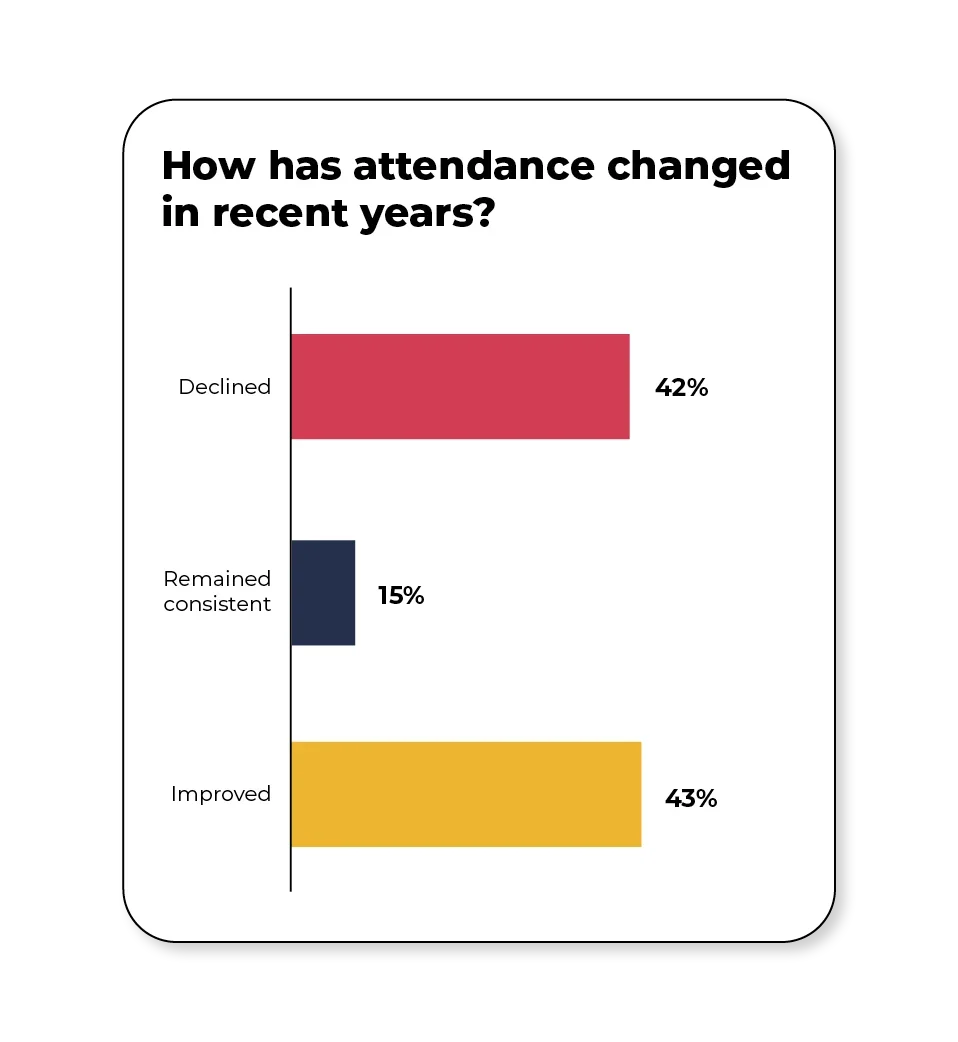
Chart taken from Spencer Clarke Group’s School Insights Report 2025
Throughout this blog, Spencer Clarke Group, explores why consistent attendance matters in primary schools, the academic and social consequences of missing school and practical ways schools can support children to attend school regularly.
The importance of regular school attendance
Regular attendance for primary school students is critically important for academic success and developing essential life skills. It helps students build strong learning habits and keep up with lessons that are built on day by day.
Regular school attendance typically ranges between 95% and 100% and means being at school every day unless there is a genuine reason such as a medical appointment, illness or family circumstances.
Every school day missed is a full day of learning which a child loses out on. Topics covered that day may not be taught again, which can affect a child’s progress within a particular subject. Missing school regularly can make it harder for students to follow lessons, which can weaken learning habits over time.
When children attend school consistently, they are more likely to understand new topics, complete their work on time and feel confident in their learning abilities.

What is the academic impact of missing school?
Missing school can result in children developing gaps in their learning due to struggling to keep up with the pace of teaching. These gaps often cause children to fall behind and affect core skills such as reading, writing and numeracy, where skills develop through consistent teaching.
Over time, gaps in these areas can make it harder for students to complete their work independently and understand new topics.
Frequent absence can also affect students' classroom participation as they may feel less confident joining group discussions, answering questions or completing activities.

The social and emotional consequences of missing school
Low school attendance can significantly impact a student's social and emotional wellbeing. When children aren’t at school, they miss opportunities to interact with their classmates which can make it harder for them to build friendships or find their place in the school community.
As a result, students may begin to feel isolated or anxious about returning to school. This then develops a cycle of missing school more frequently and the longer this goes on, the harder it can be for them to integrate back into school life.
How can schools support good attendance?
Primary schools can support good attendance by creating a welcoming learning environment where students feel safe, included and motivated to learn. Schools can track attendance closely to identify patterns of absence and work with families to address any challenges such as personal issues, health concerns or transport difficulties.
It is essential for schools to understand the root cause of a student’s absence. This can vary for each child however a thorough understanding allows schools to tailor support accordingly to ensure their specific needs are met.
To help improve attendance, schools could celebrate students who have a 100% attendance rate, by awarding them in an assembly. This can have a positive impact on many children, but schools are also thinking about how to target those children who have real barriers to attendance, as sometimes there are circumstances beyond the child’s control, particularly in primary schools, and parents need further support too.
Targeted support, such as mentoring or catch up sessions for children, or parent workshops and check-ins, for those who regularly miss school, can also help children stay on track both academically and emotionally.
What are the long term benefits of consistent school attendance?
Attending school regularly helps children develop important characteristics such as discipline, responsibility and positive daily habits that extend beyond the classroom. It can also contribute to greater success at secondary school, better chances of gaining qualifications and improved opportunities later in life.
Regular attendance also helps students develop organisational skills, resilience and a strong work ethic, all of which are highly valued in further education, training and future careers.
By attending school regularly, children build routines and habits that not only enhance their personal growth, but also increase their opportunities for success in life, including in employment and adult responsibilities.